
Shepperton Film Studios, Shepperton
England · Tuesday 30 October 1973 · Selling England By The Pound
53 years and 10 days ago
Known recordings
14 sources
Shepperton 1973 - The 16mm Film HD
Click cover to download artwork
- Media
- 1DVD-R DL
- Quality
- A+
- Catalogue #
- GMDVD
- Watcher Of The Skies / Dancing With The Moonlit Knight / I Know What I Like / The Musical Box / Supper's Ready
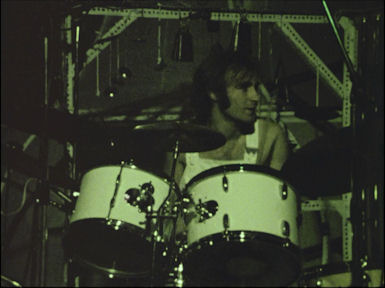
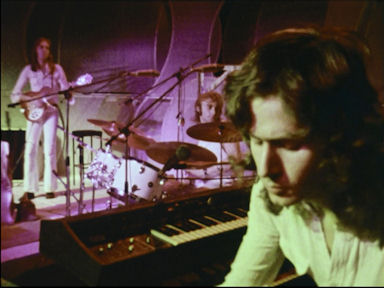
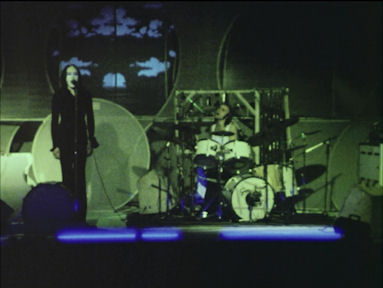
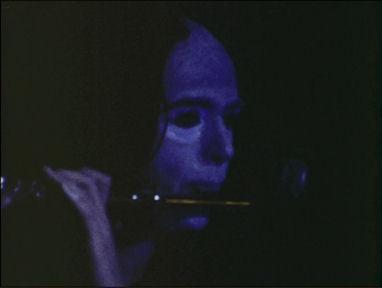
Recording comments
Video: 1920x1080 MPEG-4 AVC 15000 VBR
Audio: 2-Channel PCM 48000 CBR
Audio: 2-Channel PCM 48000 CBR

Shepperton 50th Anniversary 4K
1h 1m total
- Media
- MP4
- Quality
- A+
- Watcher Of The Skies / Dancing With The Moonlit Knight / I Know What I Like / The Musical Box / Supper's Ready
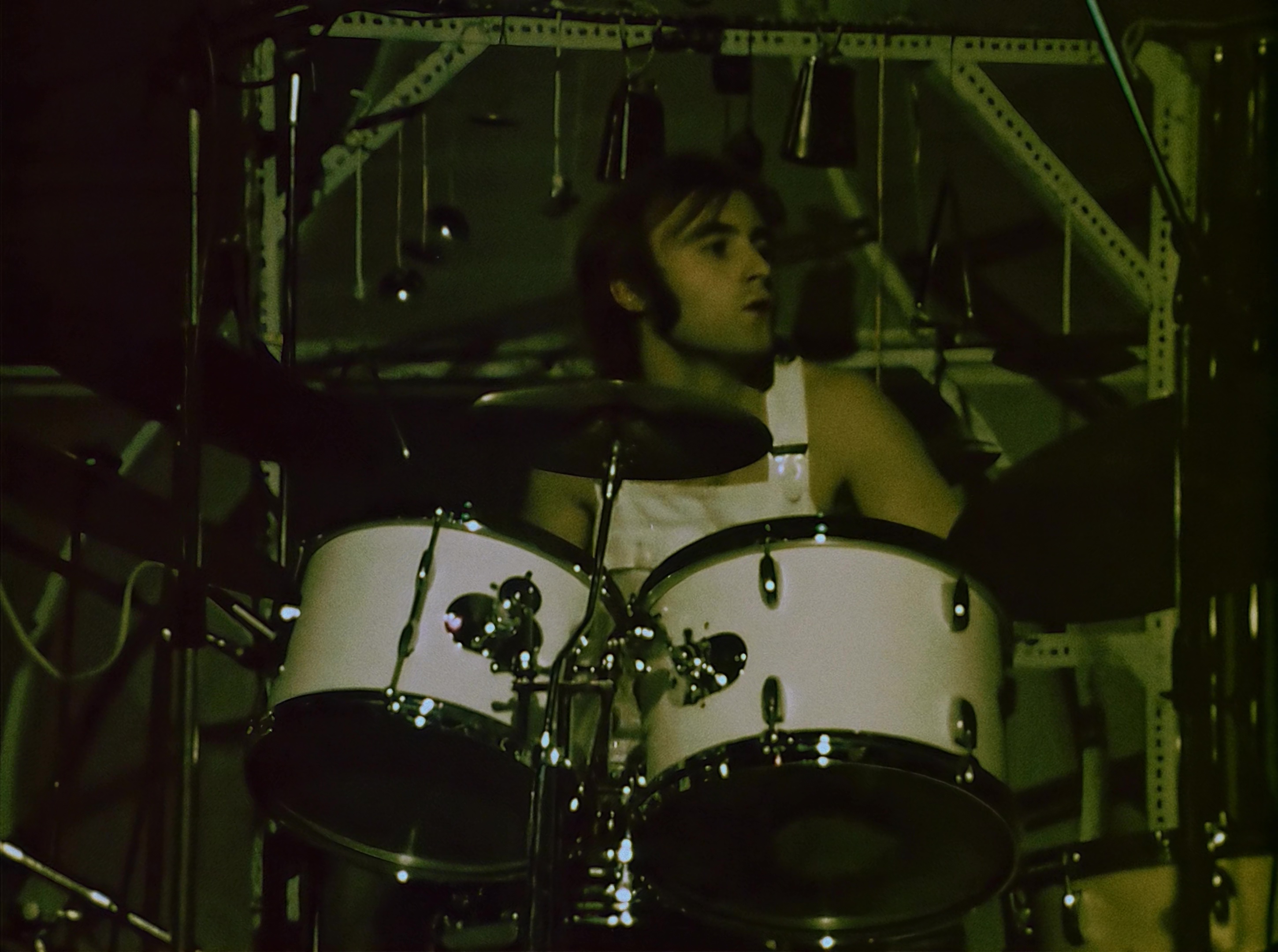
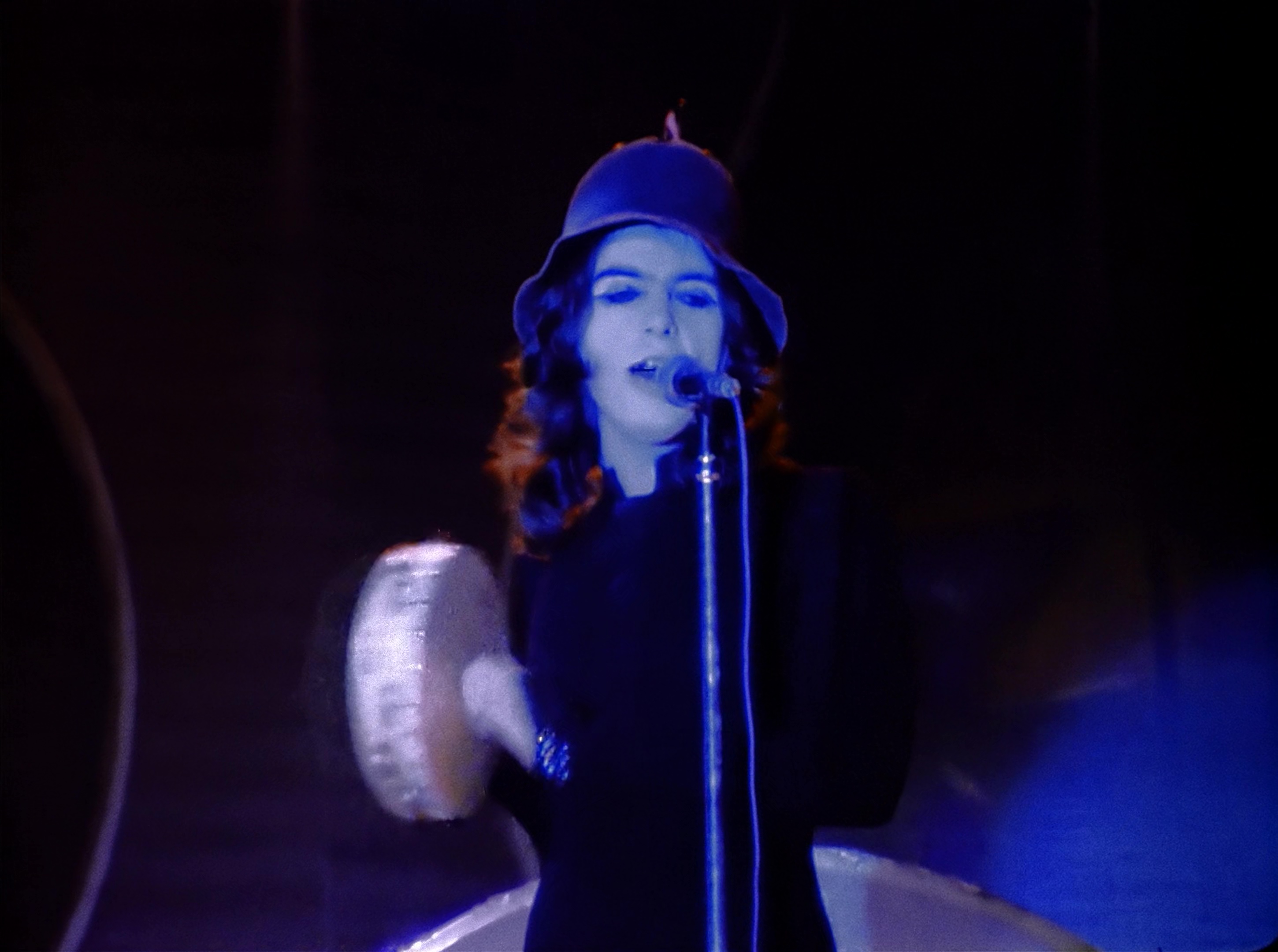
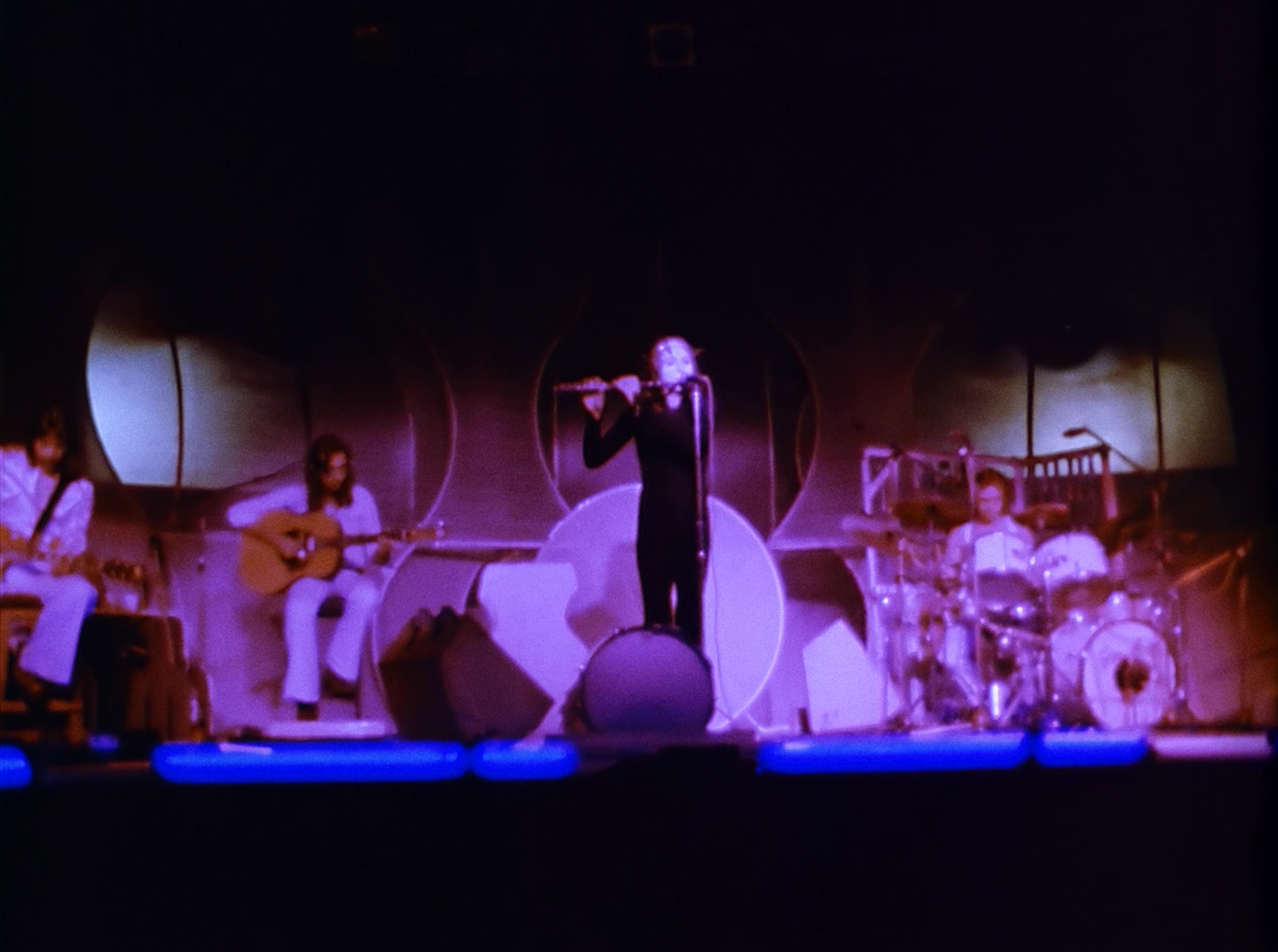
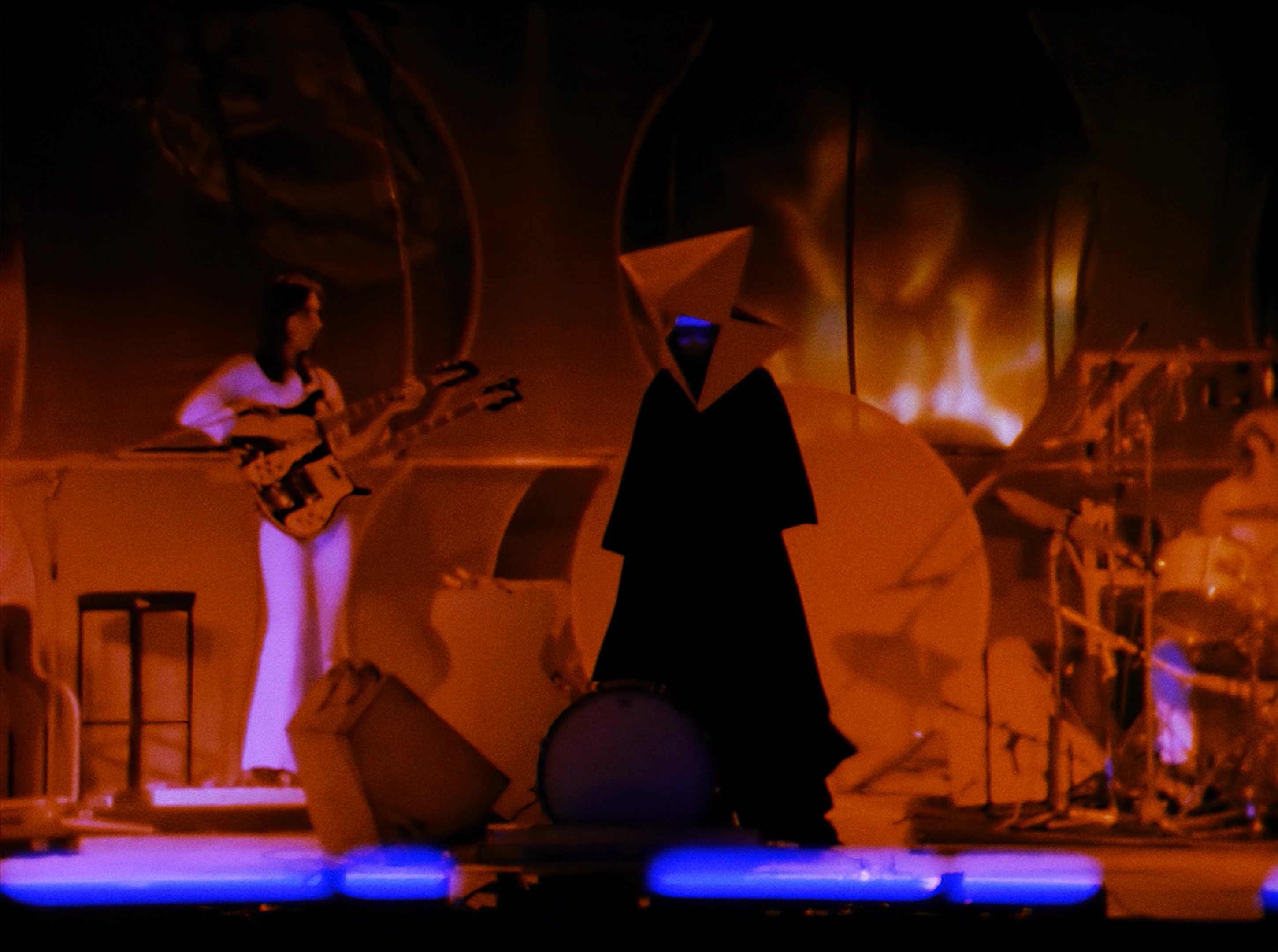
Recording comments
Recorded live October 30th-November 1st, 1973
Tracklist:
0:00 Watcher of the Skies
8:37 Dancing With The Moonlit Knight
17:41 I Know What I Like
23:09 The Musical Box Story
24:13 The Musical Box
34:47 Supper's Ready Story
37:27 Supper's Ready
Donations for The Genesis Museum projects: https://paypal.me/thegenesismuseum
Join The Genesis Museum forum: https://www.facebook.com/groups/genesismuseum
Order our new limited edition book with more background information and interviews about this film here: http://www.genesismuseum.com/exhibit.htm
Where has the time gone? The Shepperton Studios 16mm film we originally bought 20 years ago at an estate sale auction, and the first SD transfer paid for by a small group of fans at the Meeksgenesis forum... This transfer was then used by the band for the official boxed sets. It has now been 10 years since the last time I transferred the film in HD and 50 years since Genesis were on the stage performing. There is a lot of new technology, faster computers, larger/cheaper storage, etc. So I thought I would take what I learned since then and take one last (yes last) look at this film.
I was not sure this would even be worth the money and effort, as I am never interested to release things that don't look/sound as good as they can or show a reasonable improvement. I would rather wait until there is the time and technology to make something great, rather than yet another half-baked version. Thomas Manchon even interviewed the director Gerry Harrison and I talked with sound engineer John Burns to get some background information on how the film was made.
I rescanned the reels (both audio and video) and started the project from scratch to see where this could lead. Not only do 4K scanners make more resolution available, but the audio scanning technology has been greatly improved.
I then used all my tools and techniques to restore this film to its full glory, much as we did the Bataclan and other films. This even involved cleaning thousands of frames by hand and correcting color shot by shot. The amount of work was immense, so we hope it was all worthwhile in the end.
To my eyes the results are cleaner and clearer, with smoother motion, much better detail from the dark areas as well as the spotlights, more balanced color and brightness throughout especially the effects of the ultraviolet, and much improved audio AI remixed by TM.
Since this is the first time I scanned the film in 10 years, and the first time anyone has done this kind of detail work on it, I see it as the only true "remaster". In some ways I have become weary from working on this film for so long, and in other ways I am glad the film has finally received the attention it deserved.
Here is a before/after restoration sample: https://youtu.be/J1P8VYxdEeI
The Genesis Museum in association with TM Productions and Thomas Manchon, proudly present: The Shepperton 50th Anniversary Remaster
If you have 8mm/16mm Genesis or Peter Gabriel films, we transfer and restore them for free! Contact: http://genesismuseum.com
Technical details:
This description will be very long and boring for most fans. I am just documenting the process, techniques, and challenges for those who are interested in such things.
Every time the film is transferred, a little more damage occurs, and the color fades a little more. The film is now even more red than it was before (further fading of the blue and green) and there is less that can be improved. The 16mm film was not well produced, but was used as more of a promo film, not intended to last 50 years, so there is less detail than a 16mm film may normally have. It is doubtful that there is even 4K worth of resolution available on this film, especially in the darker scenes. And there are imperfections on the print that cannot be removed. But I used a ScanStation 4K to get the most of what is still there, in hopes of improving things later in the process.
Since the color was so red, the first task was a rough correction. I use TMPGEnc as I am very used to using it by now, and it is a very powerful tool to control color changes. But unfortunately, this is not simply a process of "turn down the red", and in fact there are many ways to color grade this film. While some sections I would love to pull more from the darkness, there are others that are overly bright. And while some suffer from the red issue, other scenes are almost fine as-is. So it became obvious that there was no single setting that would work for the whole film.
So adjusted every camera angle separately. Yes, every camera angle. There were hundreds. While this sounds like a crazy amount of effort...we are just getting started. This allowed me to get the most out of each scene without affecting any other. I could pull some of the details out of the darker areas without negatively affecting bright scenes. I could balance the color of each scene...within reason. I found that there was still a limit to what the film captured (i.e. some scenes are just too dark or too bright or missing certain colors) so not every scene could be "perfect". I also tried to balance the production, without making scenes so different that they stood out.
There was also a problem where the film was made with a horizontal color imbalance, meaning the right side of the film was a slightly different color to the left side of the film. This was of course not correctable with a simple color adjustment, so I made graded color filters to reduce this effect, though it could not be completely eliminated.
The next step was to handle "imperfections" such as dirt, scratches, dust, etc. With Avisynth, this is a fairly straightforward process I use on most films, but it began to show an odd issue. Normally dust/dirt/scratches are characterized by being on just 1 frame of film, and not being there (or being different at least) on the frame before and after. This is how the software detects that something is unwanted, as rarely would you want to keep something in a film that appears for 1 frame only.
But in this film, there are imperfections that do not appear like this. There are dots and spots that appear and can stay for several frames of film, like a ghosting effect. More likely, they occurred during the production process. They are indistinct (like a small blob) and remind me of what I've seen when slides are copied over and over, as the imperfections are increased with each copy. And worst of all, no software exists to handle something like this....so I wrote some.
I modified an Avisynth script to specifically look for these spots, for their odd behavior and size, and remove them. My computer is relatively fast, specially designed for the film work we do, and to run this script on the film took....11 days. Yes 11 days of processing. Granted, my script was not optimized, and leaving it for 11 days was not that bad. But this was just one of many many processes. The results however were amazing! These odd things were finally gone, or at least greatly reduced. Care had to be taken when digitally cleaning to not remove things that are wanted, or create odd artifacts. But that still left...
The scratches/damage on this film were not terrible, but from my experience, they were too varied to be all on my print. I believe some of them were made during production, or were possibly on the master. Many of them can be seen in every version of this show, even VHS copies. They are the kind of imperfections that become more obvious as we scan the film at higher resolutions such as HD or 4K. There are long green emulsion scratches down the center of the screen especially during Watcher, there are thin white scratches along the right side of the screen especially during Moonlit Knight, there are huge green scratches during the Supper's Ready story, and there are random scratches of all kinds like at the ending of Musical Box.
I have written scripts for scratch removal and used them on the Bataclan film, and for fine scratches it also worked in this film. However, there is no way to do this automatically on all of these types of scratches without creating artifacts, and some of the scratches are odd enough that they would never be recognized as scratches by the software at all. Some imperfections were even caused by the splices, where cement distortion and other damage can be seen from when the film was cut and spliced. So I cleaned it all by hand.
Yes, the most tedious part of this process was watching the entire film in slow motion, looking for scratches and imperfections, and cleaning them by hand. This was all done in Photoshop, very often using good frames before or after the damage where possible. I cleaned the most distracting damage, and ended up manually cleaning about 2500 frames. While this seems insane (it was) some frames were especially difficult while others took just a few seconds.
The last steps in the film were more minor. I used Neat Video to reduce some of the banding and artifacts that can occur when doing the color correction and manual editing. I used Avisynth to reduce some noise, add some grain to create a nice texture, and with VirtualDub I added a bit of sharpness. I completely removed the old titles that were dated and crooked, and replaced them with a better/clearer font. These are the more general processes I do for every film, to make them look as nice as possible.
For the motion interpolation to 50fps with FFMPEG, I tried something different. The purpose of motion interpolation is to smooth the transitions between the (relatively) slow frames, to make the motion more like being at the concert, turning the screen into more of a window. But like any process there can be artifacts, especially during periods of fast motion. So I adjusted my script for this film in particular, and only interpolated frames with small amounts of motion, and left scenes with fast motion with no interpolation at all. The results are a good balance, at least to my eyes. But as always, they may not match the taste of every viewer.
The last (though by no means least) step in this process was the audio. The previous time I worked on the film, I decided to resync it with high quality live recordings. After all, this film is more of a mime than a live performance, with many sync errors (if you listen closely to the very end, you can hear Peter talk about being "plenty off") and many people preferred the higher quality audio as the HD version has had almost 7 million views by now
At the time I wanted to try something different, especially since the technology to capture the audio from the film was so old. The audio was captured by passing the film through a bulb that interprets the optical audio waveforms, and is very low quality. But now there is a process that scans the optical waveform and digitally converts it to audio. The quality is not perfect, but is significantly higher bandwidth. In fact, this is the first time I have actually pulled hiss off the film. The raw transfer is much closer to the magnetic audio as broadcast by the BBC, and with a little magic, hopefully even better.
So I gave the audio to TM to work on, to make it sound as nice as possible. I didn't try and fix the sync like I did last time, it just is what it is. Sometimes the band matched the audio and other times they didn't. The only fix I did was the misplaced drum fill in Moonlit Knight. Gerry said that they had to move certain segments like this one because there was no better alternate camera view, but this one was totally out of sync, until now.
TM took this audio and actually made a real stereo mix in DeMix Pro and then a surround remix of 8 tracks in ProTools. "The new remix was made from stems generated from the original mono soundtrack using A.I.-assisted de-mixing software. Patches from other sources were used mainly for the applause bits." As you can imagine, he said "the effort was much bigger than I had expected - but I really like the result." And we hope you do too!
Shepperton HD (Chief Mouse Version)
1h 0m total
- Media
- MKV
- Quality
- A+
- Watcher Of The Skies / Dancing With The Moonlit Knight / I Know What I Like / The Musical Box / Supper's Ready
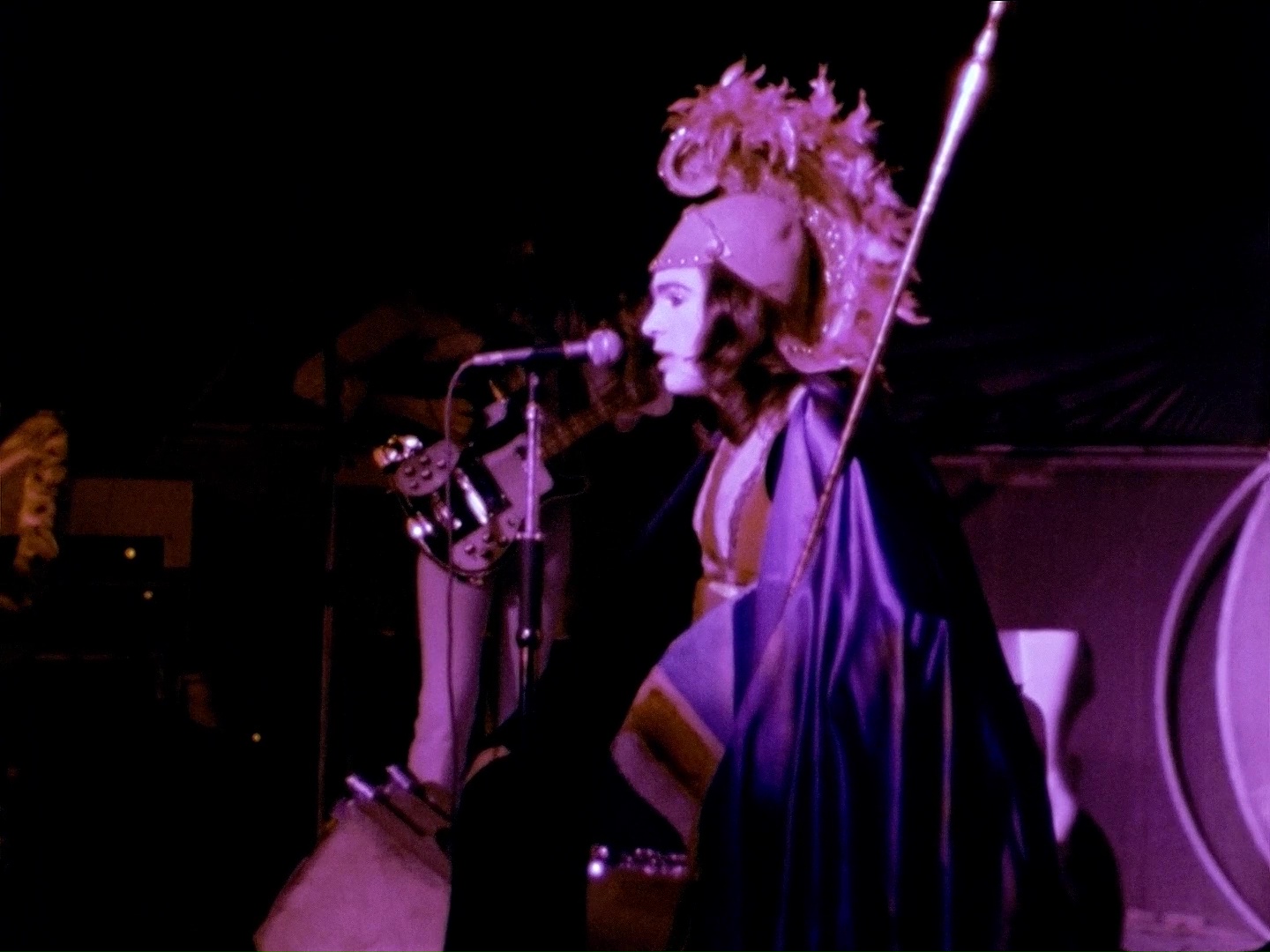
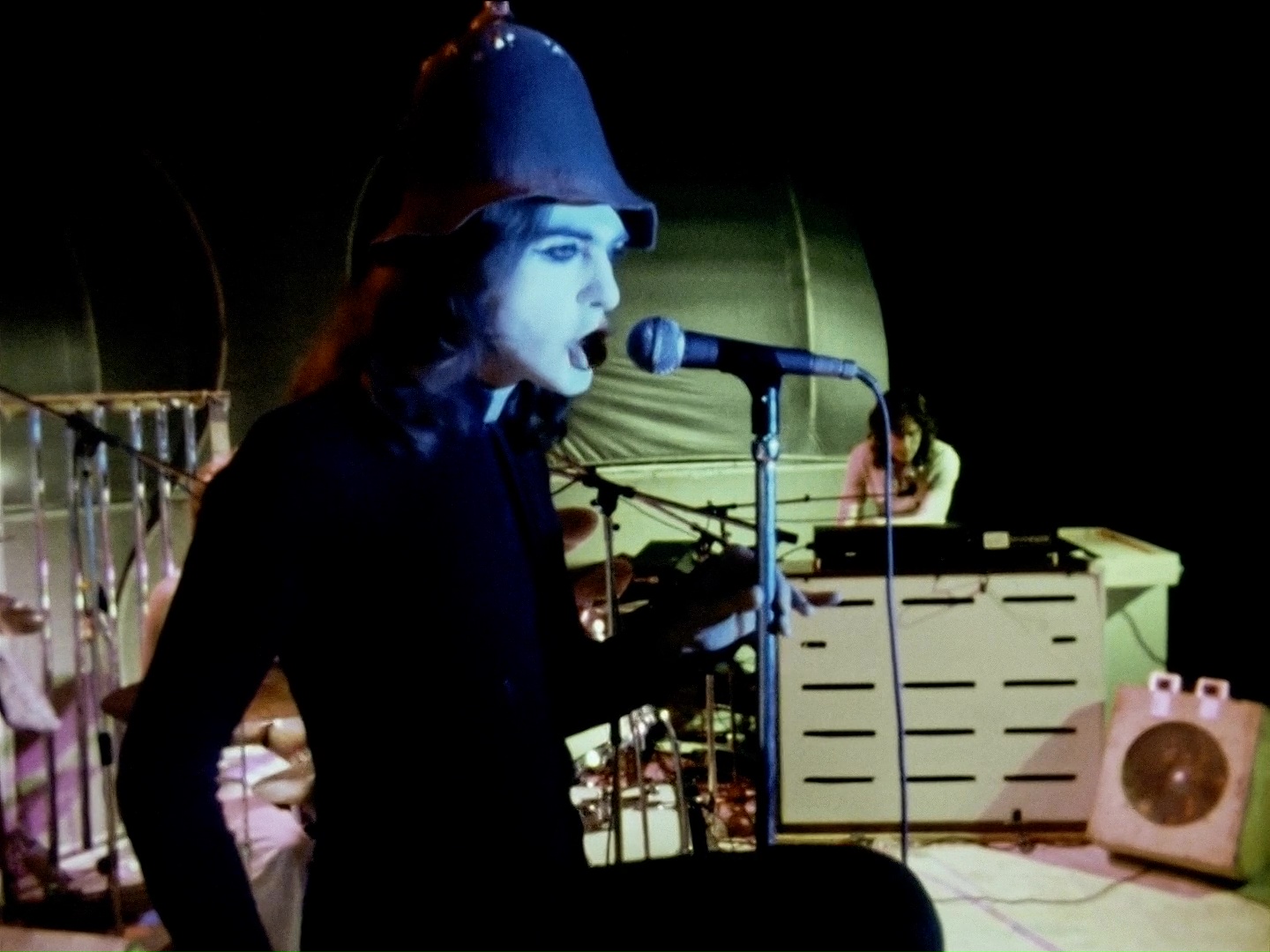
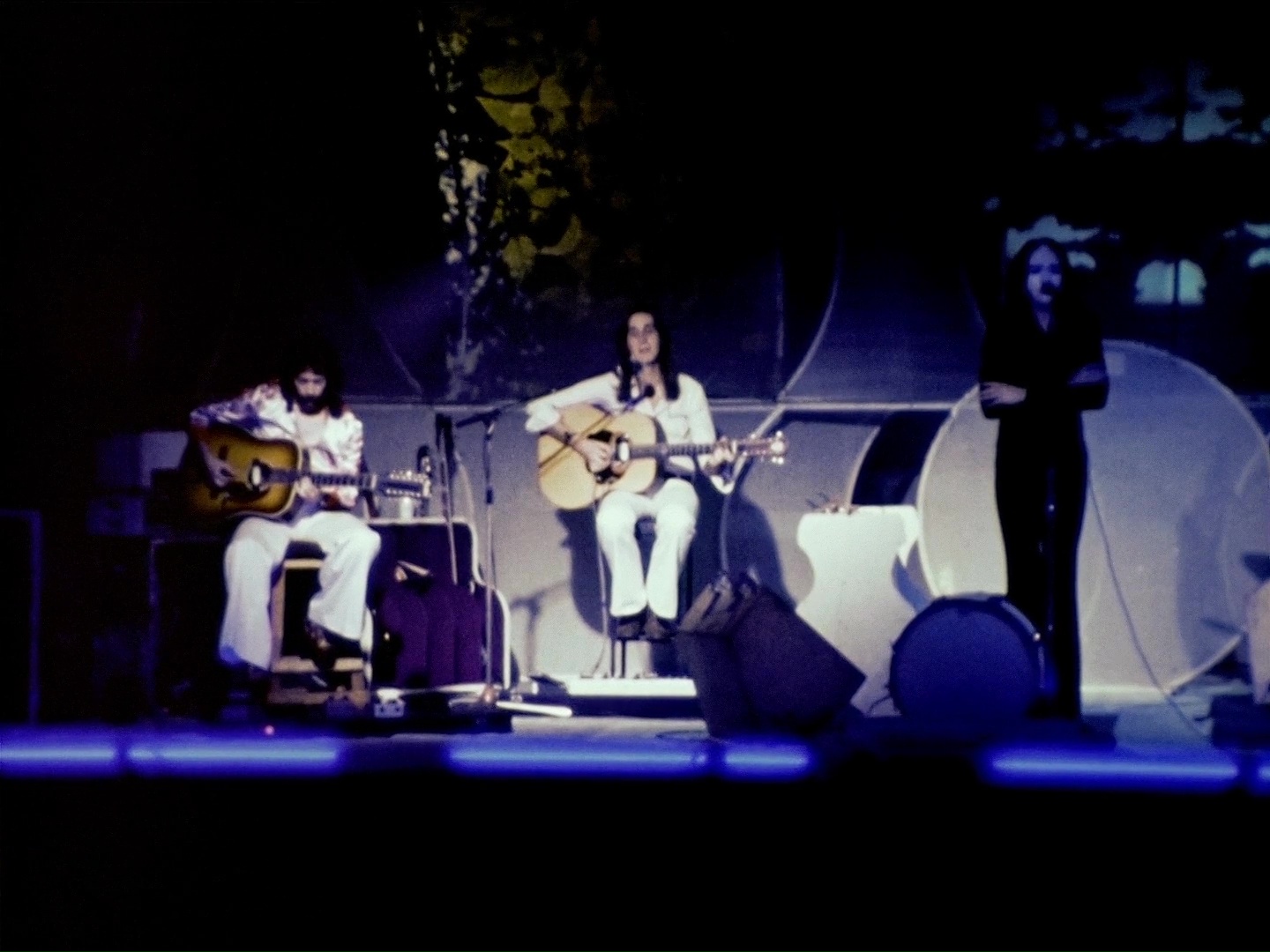
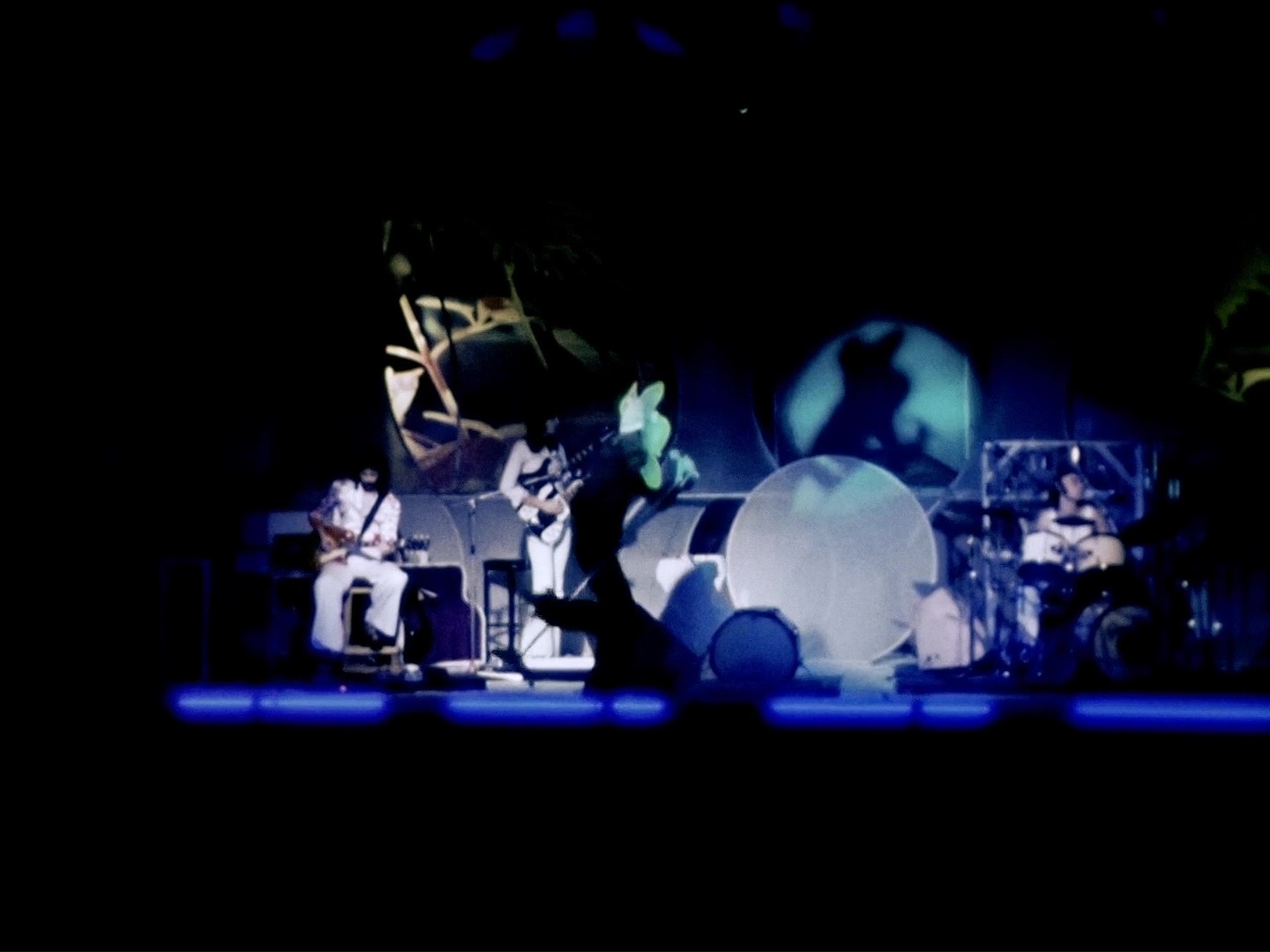
Shepperton 1973 - The 16mm Film
Click cover to download artwork
- Media
- 1DVD-R
- Quality
- A+
- Catalogue #
- EFDVD
- Watcher Of The Skies / Dancing With The Moonlit Knight / I Know What I Like / The Musical Box / Supper's Ready
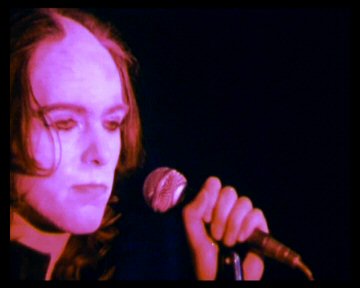
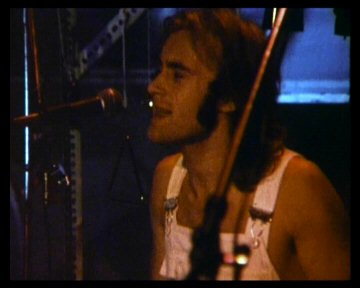
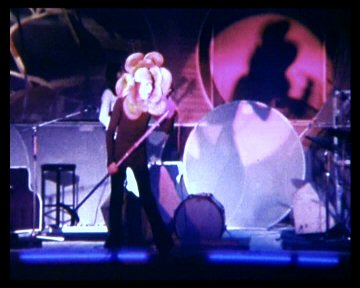
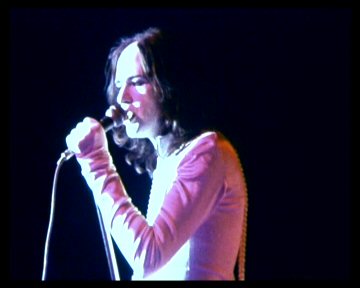
Recording comments
AMAZING! Until this is officially released, this won't be surpassed. Fantastic job by Adam, Dan, Richard and all the fans who worked together to get this gem! [Jesper Moonen]
An awesome release made possible by the generosity and skill of one fan in particular and a group of helpers! This will never be surpassed, better than the clips from official documentaries for sure. [LivingForever]
The quintessential Genesis document ever!!!. Great remastering job in visuals, unfortunately the audio isn't is as great. Compared to the clips on the official Songbook DVD this version shines. The audio remastering is nice, but it still remains a bit down to hit the right key. It isn't as lowest as Songbook DVD (in which the clips are at least 3/4 step down), but it remains at 1/4 step down (just compare with the studio versions and you'll notice the difference). With today's tecnologhy is quite easy to get the right key without doing a speed up job!. How I wish this will see the light someday, along with Pop Show 1972 & Bataclan 1973!. [ponkine]
Shepperton 1973 - The 16mm Film
Click cover to download artwork
- Media
- 1DVD-R
- Quality
- A+
- Catalogue #
- GMDVD
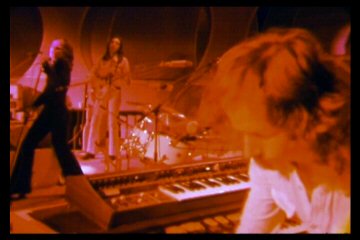
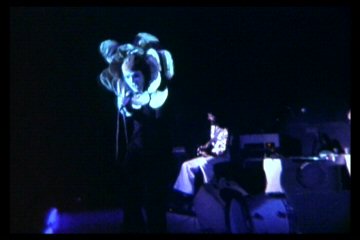
- Watcher Of The Skies / Dancing With The Moonlit Knight / I Know What I Like / The Musical Box / Supper's Ready
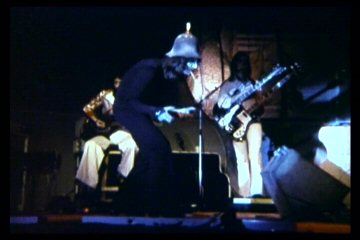
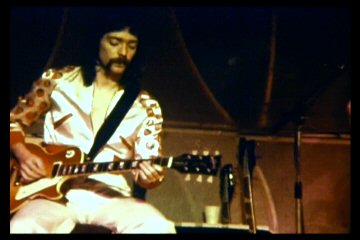
Recording comments
The quintessential Genesis document ever!!!. Great remastering job in visuals, unfortunately the audio isn't is as great. Compared to the clips on the official Songbook DVD this version shines. The audio remastering is nice, but it still remains a bit down to hit the right key. It isn't as lowest as Songbook DVD (in which the clips are at least 1/2 step down), but it remains at 1/4 step down (just compare with the studio versions and you'll notice the difference). With today's tecnologhy is quite easy to get the right key without doing a speed up job!. How I wish this will see the light someday, along with Pop Show 1972 & Bataclan 1973!. [ponkine]
Wow! An amazing experience to watch this in its entirety. It is Mindblowing!! Transferred directly from an authentic 16mm reel acquired off of Ebay, it has the look and feel of a truly vintage product. I love it that way anyway. The picture needed large amounts of work. When it was obtained, the item was so old that playback revealed a nasty overall red tint to everything. This was fixed and the result will shock you!! It is amazing how great this looks after the restoration took place. You can see the color test in a compare and contrast as a hidden Easter Egg on the DVD. I found it the first time. Get this! It is a mandatory item. [duke23]
Forgot to add that the audio had to be pulled separately and then re-synced. I cannot imagine the job that had to be done in order to sync that up correctly. I can assure you it is synced up perfectly. I don't know how they did it but it was an amazing job!! The audio quality is typical of this film's age; not stellar quality but also not horrid either. [duke23]

This Planet's Soil
1h 3m total
Click cover to download artwork
- Media
- 1CD
- Quality
- A
- Catalogue #
- NewOx 73
- 1.1Watcher Of The Skies08:48
- 1.2Dance With The Moonlit Knight [sic]09:20
- 1.3The Musical Box07:06
- 1.4I Know What I Like11:14
- 1.5Supper's Ready27:03
Recording comments
Claims to be New Theatre, Oxford - 7-Oct-73
Genesis Collection 1973+1975 (DVD)
1h 39m total
Click cover to download artwork
- Media
- 1DVD-R
- Quality
- A
- Catalogue #
- GMDVD 08
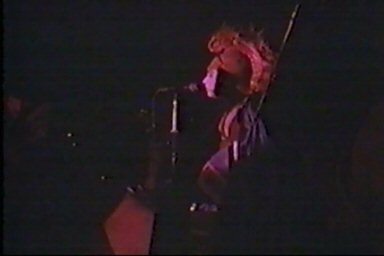
- (Shepperton Studios - 30&31-Oct-73) Watcher Of The Skies / Dancing With The Moonlit Knight / I Know What I Like / The Musical Box / Supper's Ready - 1:03:35
- (Shrine Auditorium, LA - 24-Jan-75) Various Clips - 09:07
- (Liverpool - 19-Apr-75) 8mm Silent - 12:50
- (Grand Rapids, MI - 02-Feb-75) 8mm Silent - 05:57
- (Hamburg - 08-Apr-75) 8mm Silent - 03:16
- (Chicago - Jan-75) 8mm Silent - 04:42
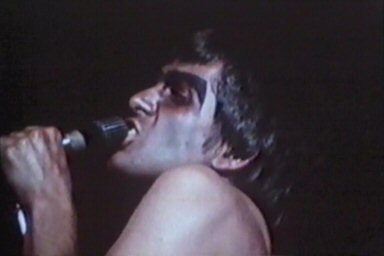
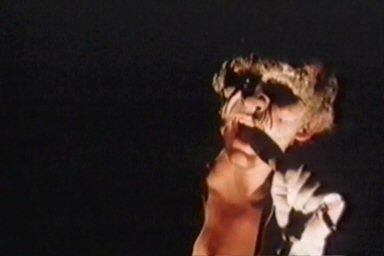
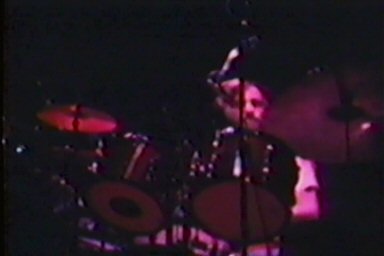
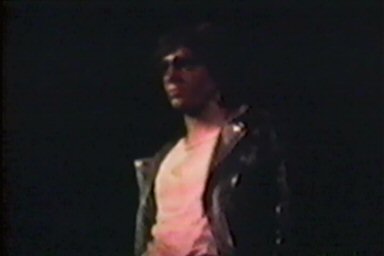
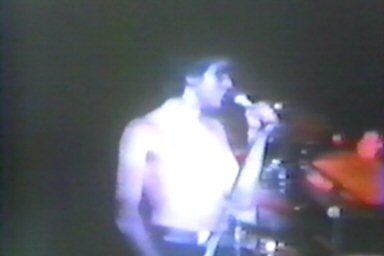
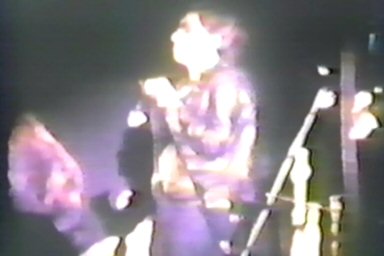
Recording comments
The Shepperton 73 footage never looked any better! [Jesper Moonen]
Tony Stratton-Smith Presents (VCD)
1h 3m total
Click cover to download artwork
- Media
- 1VCD-R
- Quality
- A-
- Catalogue #
- RareVCD06
- Watcher Of The Skies / Dancing With The Moonlit Knight / I Know What I Like / The Musical Box / Supper's Ready
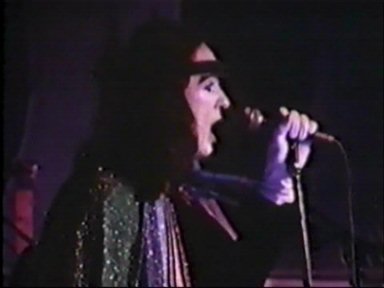
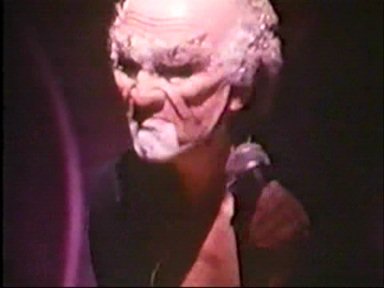
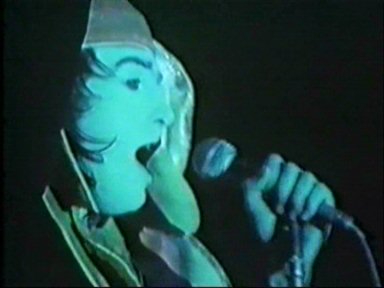
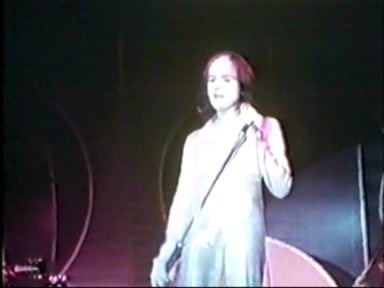

PGWeeds VCD 03 (VCD)
1h 4m total
- Media
- 1VCD-R
- Quality
- A-
- Catalogue #
- PGWeeds VCD 03
- Watcher Of The Skies / Dancing With The Moonlit Knight / I Know What I Like / The Musical Box / Supper's Ready
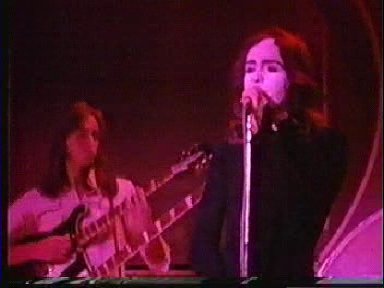
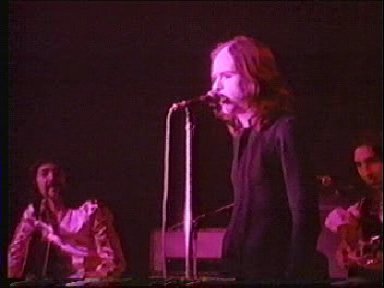
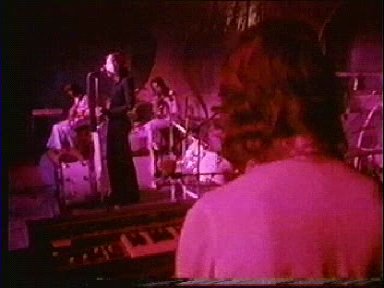
Recording comments
1st Generation From 3/4" master
Shepperton '73 (MPEG)
1h 3m total
Click cover to download artwork
- Media
- 1CD-R
- Quality
- A-
- Watcher Of The Skies / Dancing With The Moonlit Knight / I Know What I Like / The Musical Box / Supper's Ready
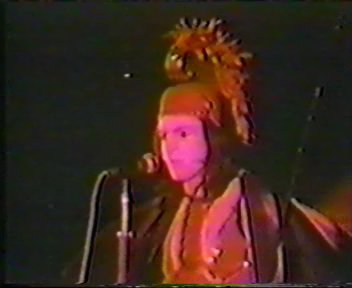
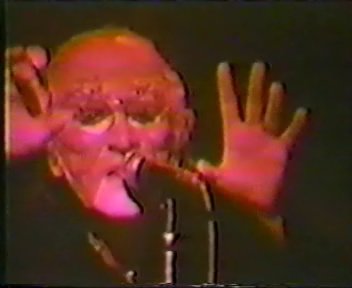
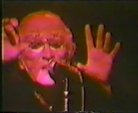
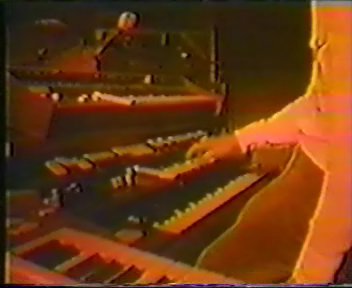
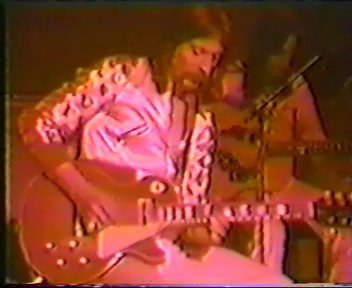
Recording comments
MPEG / DivX video. AKA 'Tony Stratton-Smith Presents', 'Live At Oxford', 'Colston Hall, Bristol'
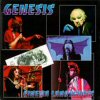
Cinema Landscapes
1h 3m total
Click cover to download artwork
- Media
- 1CD-R
- Quality
- A-
- 1.1Watcher Of The Skies08:34
- 1.2Dancing With The Moonlit Knight09:38
- 1.3I Know What I Like06:02
- 1.4The Musical Box12:15
- 1.5Supper's Ready26:32

Genesis : Gabriel 1972-1974 (DVD)
Click cover to download artwork
- Media
- 1DVD-R
- Quality
- B+
- Catalogue #
- Solid Air 012
- Rome Italia (April 18, 1972) : Stagnation
- Pop Show Belgium (March 20, 1972) : Fountain of Salmacis / Twilight Alehouse / The Musical Box / Return of the Giant Hogweed
- Bataclan Paris (January 10, 1973) : parts of The Musical Box, Return of the Giant Hogweed
- Shepperton Studios (October 30-31, 1973) : Watcher Of The Skies / Dancing With The Moonlit Knight / I Know What I Like / The Musical Box / Supper's Ready
- Mélodie, France (February 12, 1974) : I Know What I Like / Supper's Ready
- Montréal, Canada (April 20, 1974) : Watcher Of The Skies / Dancing With The Moonlit Knight / The Cinema Show / I Know What I Like / Firth Of Fifth / The Musical Box / More Fool Me / The Battle Of Epping Forest / Supper's Ready

Genesis Live (DVD)
Click cover to download artwork
- Media
- 1DVD
- Quality
- B+
- Catalogue #
- Falcon Neue Medien 0284
- Shepperton Studios - 30&31-Oct-73) Watcher Of The Skies / Dancing With The Moonlit Knight / I Know What I Like / The Musical Box / Supper's Ready
- Midnight Special - 20-Dec-73) Watcher Of The Skies / The Musical Box
- University Sports Arena, Montreal - 20-Apr-74) Watcher Of The Skies / I Know What I Like / Fragments Of Supper's Ready
Recording comments
Although available in shops throughout Europe for around 6 Euros, this is a bootleg recording, not sanctioned by the band or the Tony Stratton-Smith Estate and is therefore, in my opinion, fair game. It is also of inferior quality compared to recently discovered versions of this show [Simon_Funnell]
I totally agree to Simon's thoughts. [Gigio67]
At least, there's a nice Grand Theft Auto-like cover... [Jack_Floyd]
I totally agree to Simon's thoughts. [Gigio67]
At least, there's a nice Grand Theft Auto-like cover... [Jack_Floyd]
Shepperton 50th Anniversary UHD
1h 1m total
- Media
- M2TS
- Quality
- A+
- Watcher Of The Skies / Dancing With The Moonlit Knight / I Know What I Like / The Musical Box / Supper's Ready
Recording comments
Recorded live October 30th-November 1st, 1973
Tracklist:
0:00 Watcher of the Skies
8:37 Dancing With The Moonlit Knight
17:41 I Know What I Like
23:09 The Musical Box Story
24:13 The Musical Box
34:47 Supper's Ready Story
37:27 Supper's Ready
Donations for The Genesis Museum projects: https://paypal.me/thegenesismuseum
Join The Genesis Museum forum: https://www.facebook.com/groups/genesismuseum
Order our new limited edition book with more background information and interviews about this film here: http://www.genesismuseum.com/exhibit.htm
Where has the time gone? The Shepperton Studios 16mm film we originally bought 20 years ago at an estate sale auction, and the first SD transfer paid for by a small group of fans at the Meeksgenesis forum... This transfer was then used by the band for the official boxed sets. It has now been 10 years since the last time I transferred the film in HD and 50 years since Genesis were on the stage performing. There is a lot of new technology, faster computers, larger/cheaper storage, etc. So I thought I would take what I learned since then and take one last (yes last) look at this film.
I was not sure this would even be worth the money and effort, as I am never interested to release things that don't look/sound as good as they can or show a reasonable improvement. I would rather wait until there is the time and technology to make something great, rather than yet another half-baked version. Thomas Manchon even interviewed the director Gerry Harrison and I talked with sound engineer John Burns to get some background information on how the film was made.
I rescanned the reels (both audio and video) and started the project from scratch to see where this could lead. Not only do 4K scanners make more resolution available, but the audio scanning technology has been greatly improved.
I then used all my tools and techniques to restore this film to its full glory, much as we did the Bataclan and other films. This even involved cleaning thousands of frames by hand and correcting color shot by shot. The amount of work was immense, so we hope it was all worthwhile in the end.
To my eyes the results are cleaner and clearer, with smoother motion, much better detail from the dark areas as well as the spotlights, more balanced color and brightness throughout especially the effects of the ultraviolet, and much improved audio AI remixed by TM.
Since this is the first time I scanned the film in 10 years, and the first time anyone has done this kind of detail work on it, I see it as the only true "remaster". In some ways I have become weary from working on this film for so long, and in other ways I am glad the film has finally received the attention it deserved.
Here is a before/after restoration sample: https://youtu.be/J1P8VYxdEeI
The Genesis Museum in association with TM Productions and Thomas Manchon, proudly present: The Shepperton 50th Anniversary Remaster
If you have 8mm/16mm Genesis or Peter Gabriel films, we transfer and restore them for free! Contact: http://genesismuseum.com
Technical details:
This description will be very long and boring for most fans. I am just documenting the process, techniques, and challenges for those who are interested in such things.
Every time the film is transferred, a little more damage occurs, and the color fades a little more. The film is now even more red than it was before (further fading of the blue and green) and there is less that can be improved. The 16mm film was not well produced, but was used as more of a promo film, not intended to last 50 years, so there is less detail than a 16mm film may normally have. It is doubtful that there is even 4K worth of resolution available on this film, especially in the darker scenes. And there are imperfections on the print that cannot be removed. But I used a ScanStation 4K to get the most of what is still there, in hopes of improving things later in the process.
Since the color was so red, the first task was a rough correction. I use TMPGEnc as I am very used to using it by now, and it is a very powerful tool to control color changes. But unfortunately, this is not simply a process of "turn down the red", and in fact there are many ways to color grade this film. While some sections I would love to pull more from the darkness, there are others that are overly bright. And while some suffer from the red issue, other scenes are almost fine as-is. So it became obvious that there was no single setting that would work for the whole film.
So adjusted every camera angle separately. Yes, every camera angle. There were hundreds. While this sounds like a crazy amount of effort...we are just getting started. This allowed me to get the most out of each scene without affecting any other. I could pull some of the details out of the darker areas without negatively affecting bright scenes. I could balance the color of each scene...within reason. I found that there was still a limit to what the film captured (i.e. some scenes are just too dark or too bright or missing certain colors) so not every scene could be "perfect". I also tried to balance the production, without making scenes so different that they stood out.
There was also a problem where the film was made with a horizontal color imbalance, meaning the right side of the film was a slightly different color to the left side of the film. This was of course not correctable with a simple color adjustment, so I made graded color filters to reduce this effect, though it could not be completely eliminated.
The next step was to handle "imperfections" such as dirt, scratches, dust, etc. With Avisynth, this is a fairly straightforward process I use on most films, but it began to show an odd issue. Normally dust/dirt/scratches are characterized by being on just 1 frame of film, and not being there (or being different at least) on the frame before and after. This is how the software detects that something is unwanted, as rarely would you want to keep something in a film that appears for 1 frame only.
But in this film, there are imperfections that do not appear like this. There are dots and spots that appear and can stay for several frames of film, like a ghosting effect. More likely, they occurred during the production process. They are indistinct (like a small blob) and remind me of what I've seen when slides are copied over and over, as the imperfections are increased with each copy. And worst of all, no software exists to handle something like this....so I wrote some.
I modified an Avisynth script to specifically look for these spots, for their odd behavior and size, and remove them. My computer is relatively fast, specially designed for the film work we do, and to run this script on the film took....11 days. Yes 11 days of processing. Granted, my script was not optimized, and leaving it for 11 days was not that bad. But this was just one of many many processes. The results however were amazing! These odd things were finally gone, or at least greatly reduced. Care had to be taken when digitally cleaning to not remove things that are wanted, or create odd artifacts. But that still left...
The scratches/damage on this film were not terrible, but from my experience, they were too varied to be all on my print. I believe some of them were made during production, or were possibly on the master. Many of them can be seen in every version of this show, even VHS copies. They are the kind of imperfections that become more obvious as we scan the film at higher resolutions such as HD or 4K. There are long green emulsion scratches down the center of the screen especially during Watcher, there are thin white scratches along the right side of the screen especially during Moonlit Knight, there are huge green scratches during the Supper's Ready story, and there are random scratches of all kinds like at the ending of Musical Box.
I have written scripts for scratch removal and used them on the Bataclan film, and for fine scratches it also worked in this film. However, there is no way to do this automatically on all of these types of scratches without creating artifacts, and some of the scratches are odd enough that they would never be recognized as scratches by the software at all. Some imperfections were even caused by the splices, where cement distortion and other damage can be seen from when the film was cut and spliced. So I cleaned it all by hand.
Yes, the most tedious part of this process was watching the entire film in slow motion, looking for scratches and imperfections, and cleaning them by hand. This was all done in Photoshop, very often using good frames before or after the damage where possible. I cleaned the most distracting damage, and ended up manually cleaning about 2500 frames. While this seems insane (it was) some frames were especially difficult while others took just a few seconds.
The last steps in the film were more minor. I used Neat Video to reduce some of the banding and artifacts that can occur when doing the color correction and manual editing. I used Avisynth to reduce some noise, add some grain to create a nice texture, and with VirtualDub I added a bit of sharpness. I completely removed the old titles that were dated and crooked, and replaced them with a better/clearer font. These are the more general processes I do for every film, to make them look as nice as possible.
For the motion interpolation to 50fps with FFMPEG, I tried something different. The purpose of motion interpolation is to smooth the transitions between the (relatively) slow frames, to make the motion more like being at the concert, turning the screen into more of a window. But like any process there can be artifacts, especially during periods of fast motion. So I adjusted my script for this film in particular, and only interpolated frames with small amounts of motion, and left scenes with fast motion with no interpolation at all. The results are a good balance, at least to my eyes. But as always, they may not match the taste of every viewer.
The last (though by no means least) step in this process was the audio. The previous time I worked on the film, I decided to resync it with high quality live recordings. After all, this film is more of a mime than a live performance, with many sync errors (if you listen closely to the very end, you can hear Peter talk about being "plenty off") and many people preferred the higher quality audio as the HD version has had almost 7 million views by now
At the time I wanted to try something different, especially since the technology to capture the audio from the film was so old. The audio was captured by passing the film through a bulb that interprets the optical audio waveforms, and is very low quality. But now there is a process that scans the optical waveform and digitally converts it to audio. The quality is not perfect, but is significantly higher bandwidth. In fact, this is the first time I have actually pulled hiss off the film. The raw transfer is much closer to the magnetic audio as broadcast by the BBC, and with a little magic, hopefully even better.
So I gave the audio to TM to work on, to make it sound as nice as possible. I didn't try and fix the sync like I did last time, it just is what it is. Sometimes the band matched the audio and other times they didn't. The only fix I did was the misplaced drum fill in Moonlit Knight. Gerry said that they had to move certain segments like this one because there was no better alternate camera view, but this one was totally out of sync, until now.
TM took this audio and actually made a real stereo mix in DeMix Pro and then a surround remix of 8 tracks in ProTools. "The new remix was made from stems generated from the original mono soundtrack using A.I.-assisted de-mixing software. Patches from other sources were used mainly for the applause bits." As you can imagine, he said "the effort was much bigger than I had expected - but I really like the result." And we hope you do too!
Tracklist:
0:00 Watcher of the Skies
8:37 Dancing With The Moonlit Knight
17:41 I Know What I Like
23:09 The Musical Box Story
24:13 The Musical Box
34:47 Supper's Ready Story
37:27 Supper's Ready
Donations for The Genesis Museum projects: https://paypal.me/thegenesismuseum
Join The Genesis Museum forum: https://www.facebook.com/groups/genesismuseum
Order our new limited edition book with more background information and interviews about this film here: http://www.genesismuseum.com/exhibit.htm
Where has the time gone? The Shepperton Studios 16mm film we originally bought 20 years ago at an estate sale auction, and the first SD transfer paid for by a small group of fans at the Meeksgenesis forum... This transfer was then used by the band for the official boxed sets. It has now been 10 years since the last time I transferred the film in HD and 50 years since Genesis were on the stage performing. There is a lot of new technology, faster computers, larger/cheaper storage, etc. So I thought I would take what I learned since then and take one last (yes last) look at this film.
I was not sure this would even be worth the money and effort, as I am never interested to release things that don't look/sound as good as they can or show a reasonable improvement. I would rather wait until there is the time and technology to make something great, rather than yet another half-baked version. Thomas Manchon even interviewed the director Gerry Harrison and I talked with sound engineer John Burns to get some background information on how the film was made.
I rescanned the reels (both audio and video) and started the project from scratch to see where this could lead. Not only do 4K scanners make more resolution available, but the audio scanning technology has been greatly improved.
I then used all my tools and techniques to restore this film to its full glory, much as we did the Bataclan and other films. This even involved cleaning thousands of frames by hand and correcting color shot by shot. The amount of work was immense, so we hope it was all worthwhile in the end.
To my eyes the results are cleaner and clearer, with smoother motion, much better detail from the dark areas as well as the spotlights, more balanced color and brightness throughout especially the effects of the ultraviolet, and much improved audio AI remixed by TM.
Since this is the first time I scanned the film in 10 years, and the first time anyone has done this kind of detail work on it, I see it as the only true "remaster". In some ways I have become weary from working on this film for so long, and in other ways I am glad the film has finally received the attention it deserved.
Here is a before/after restoration sample: https://youtu.be/J1P8VYxdEeI
The Genesis Museum in association with TM Productions and Thomas Manchon, proudly present: The Shepperton 50th Anniversary Remaster
If you have 8mm/16mm Genesis or Peter Gabriel films, we transfer and restore them for free! Contact: http://genesismuseum.com
Technical details:
This description will be very long and boring for most fans. I am just documenting the process, techniques, and challenges for those who are interested in such things.
Every time the film is transferred, a little more damage occurs, and the color fades a little more. The film is now even more red than it was before (further fading of the blue and green) and there is less that can be improved. The 16mm film was not well produced, but was used as more of a promo film, not intended to last 50 years, so there is less detail than a 16mm film may normally have. It is doubtful that there is even 4K worth of resolution available on this film, especially in the darker scenes. And there are imperfections on the print that cannot be removed. But I used a ScanStation 4K to get the most of what is still there, in hopes of improving things later in the process.
Since the color was so red, the first task was a rough correction. I use TMPGEnc as I am very used to using it by now, and it is a very powerful tool to control color changes. But unfortunately, this is not simply a process of "turn down the red", and in fact there are many ways to color grade this film. While some sections I would love to pull more from the darkness, there are others that are overly bright. And while some suffer from the red issue, other scenes are almost fine as-is. So it became obvious that there was no single setting that would work for the whole film.
So adjusted every camera angle separately. Yes, every camera angle. There were hundreds. While this sounds like a crazy amount of effort...we are just getting started. This allowed me to get the most out of each scene without affecting any other. I could pull some of the details out of the darker areas without negatively affecting bright scenes. I could balance the color of each scene...within reason. I found that there was still a limit to what the film captured (i.e. some scenes are just too dark or too bright or missing certain colors) so not every scene could be "perfect". I also tried to balance the production, without making scenes so different that they stood out.
There was also a problem where the film was made with a horizontal color imbalance, meaning the right side of the film was a slightly different color to the left side of the film. This was of course not correctable with a simple color adjustment, so I made graded color filters to reduce this effect, though it could not be completely eliminated.
The next step was to handle "imperfections" such as dirt, scratches, dust, etc. With Avisynth, this is a fairly straightforward process I use on most films, but it began to show an odd issue. Normally dust/dirt/scratches are characterized by being on just 1 frame of film, and not being there (or being different at least) on the frame before and after. This is how the software detects that something is unwanted, as rarely would you want to keep something in a film that appears for 1 frame only.
But in this film, there are imperfections that do not appear like this. There are dots and spots that appear and can stay for several frames of film, like a ghosting effect. More likely, they occurred during the production process. They are indistinct (like a small blob) and remind me of what I've seen when slides are copied over and over, as the imperfections are increased with each copy. And worst of all, no software exists to handle something like this....so I wrote some.
I modified an Avisynth script to specifically look for these spots, for their odd behavior and size, and remove them. My computer is relatively fast, specially designed for the film work we do, and to run this script on the film took....11 days. Yes 11 days of processing. Granted, my script was not optimized, and leaving it for 11 days was not that bad. But this was just one of many many processes. The results however were amazing! These odd things were finally gone, or at least greatly reduced. Care had to be taken when digitally cleaning to not remove things that are wanted, or create odd artifacts. But that still left...
The scratches/damage on this film were not terrible, but from my experience, they were too varied to be all on my print. I believe some of them were made during production, or were possibly on the master. Many of them can be seen in every version of this show, even VHS copies. They are the kind of imperfections that become more obvious as we scan the film at higher resolutions such as HD or 4K. There are long green emulsion scratches down the center of the screen especially during Watcher, there are thin white scratches along the right side of the screen especially during Moonlit Knight, there are huge green scratches during the Supper's Ready story, and there are random scratches of all kinds like at the ending of Musical Box.
I have written scripts for scratch removal and used them on the Bataclan film, and for fine scratches it also worked in this film. However, there is no way to do this automatically on all of these types of scratches without creating artifacts, and some of the scratches are odd enough that they would never be recognized as scratches by the software at all. Some imperfections were even caused by the splices, where cement distortion and other damage can be seen from when the film was cut and spliced. So I cleaned it all by hand.
Yes, the most tedious part of this process was watching the entire film in slow motion, looking for scratches and imperfections, and cleaning them by hand. This was all done in Photoshop, very often using good frames before or after the damage where possible. I cleaned the most distracting damage, and ended up manually cleaning about 2500 frames. While this seems insane (it was) some frames were especially difficult while others took just a few seconds.
The last steps in the film were more minor. I used Neat Video to reduce some of the banding and artifacts that can occur when doing the color correction and manual editing. I used Avisynth to reduce some noise, add some grain to create a nice texture, and with VirtualDub I added a bit of sharpness. I completely removed the old titles that were dated and crooked, and replaced them with a better/clearer font. These are the more general processes I do for every film, to make them look as nice as possible.
For the motion interpolation to 50fps with FFMPEG, I tried something different. The purpose of motion interpolation is to smooth the transitions between the (relatively) slow frames, to make the motion more like being at the concert, turning the screen into more of a window. But like any process there can be artifacts, especially during periods of fast motion. So I adjusted my script for this film in particular, and only interpolated frames with small amounts of motion, and left scenes with fast motion with no interpolation at all. The results are a good balance, at least to my eyes. But as always, they may not match the taste of every viewer.
The last (though by no means least) step in this process was the audio. The previous time I worked on the film, I decided to resync it with high quality live recordings. After all, this film is more of a mime than a live performance, with many sync errors (if you listen closely to the very end, you can hear Peter talk about being "plenty off") and many people preferred the higher quality audio as the HD version has had almost 7 million views by now
At the time I wanted to try something different, especially since the technology to capture the audio from the film was so old. The audio was captured by passing the film through a bulb that interprets the optical audio waveforms, and is very low quality. But now there is a process that scans the optical waveform and digitally converts it to audio. The quality is not perfect, but is significantly higher bandwidth. In fact, this is the first time I have actually pulled hiss off the film. The raw transfer is much closer to the magnetic audio as broadcast by the BBC, and with a little magic, hopefully even better.
So I gave the audio to TM to work on, to make it sound as nice as possible. I didn't try and fix the sync like I did last time, it just is what it is. Sometimes the band matched the audio and other times they didn't. The only fix I did was the misplaced drum fill in Moonlit Knight. Gerry said that they had to move certain segments like this one because there was no better alternate camera view, but this one was totally out of sync, until now.
TM took this audio and actually made a real stereo mix in DeMix Pro and then a surround remix of 8 tracks in ProTools. "The new remix was made from stems generated from the original mono soundtrack using A.I.-assisted de-mixing software. Patches from other sources were used mainly for the applause bits." As you can imagine, he said "the effort was much bigger than I had expected - but I really like the result." And we hope you do too!
Artwork available
10 itemsShepperton 1973 - The 16mm Film HD
ZIP archive · click to download
EFDVD - Shepperton 1973 - The 16mm Film (DVD)
ZIP archive · click to download
GMDVD - Shepperton 1973 - The 16mm Film (DVD)
ZIP archive · click to download
This Planet's Soil
ZIP archive · click to download
GMDVD 08 - 1973 + 1975 (DVD Case)
JPG archive · click to download
RareVCD 06 - Tony Stratton Smith Presents
ZIP archive · click to download
MPEG Video
ZIP archive · click to download
Cinema Landscapes
ZIP archive · click to download
Genesis : Gabriel 1972-1974 (DVD)
ZIP archive · click to download
Genesis Live - FNM 0284 (DVD)
ZIP archive · click to download